
Application Case: Condensate Lift Pump for Multi-VRF Systems in Large Shopping Malls
Project Overview
A comprehensive shopping mall with 28000 sqm of commercial space features numerous concealed multi-split indoor units in sales floors, shops, and corridors. Due to the abundance of structural beams, traditional gravity drainage would require drilling through them—a solution not feasible at many locations. To address condensation water drainage challenges, the project includes a batch of integrated air conditioning condensate pumps.
Project Pain Points
Gravity drainage requires a slope, which lowers the overall ceiling. This reduces headroom in mall corridors and retail spaces, creating a cramped feel that detracts from the overall interior design.
Condensate drain pipes require holes through beams; drilling into beams arbitrarily is strictly prohibited due to significant structural safety risks. Creating separate drain holes results in excessive wall penetrations. Sharing openings with copper pipes is not feasible for gravity drainage because of slope constraints.
High foot traffic in shopping malls means any condensation drainage issues or leaks can damage ceilings and merchandise, leading to financial losses. Repairs later on may require store closures, disrupting operations.
Solution
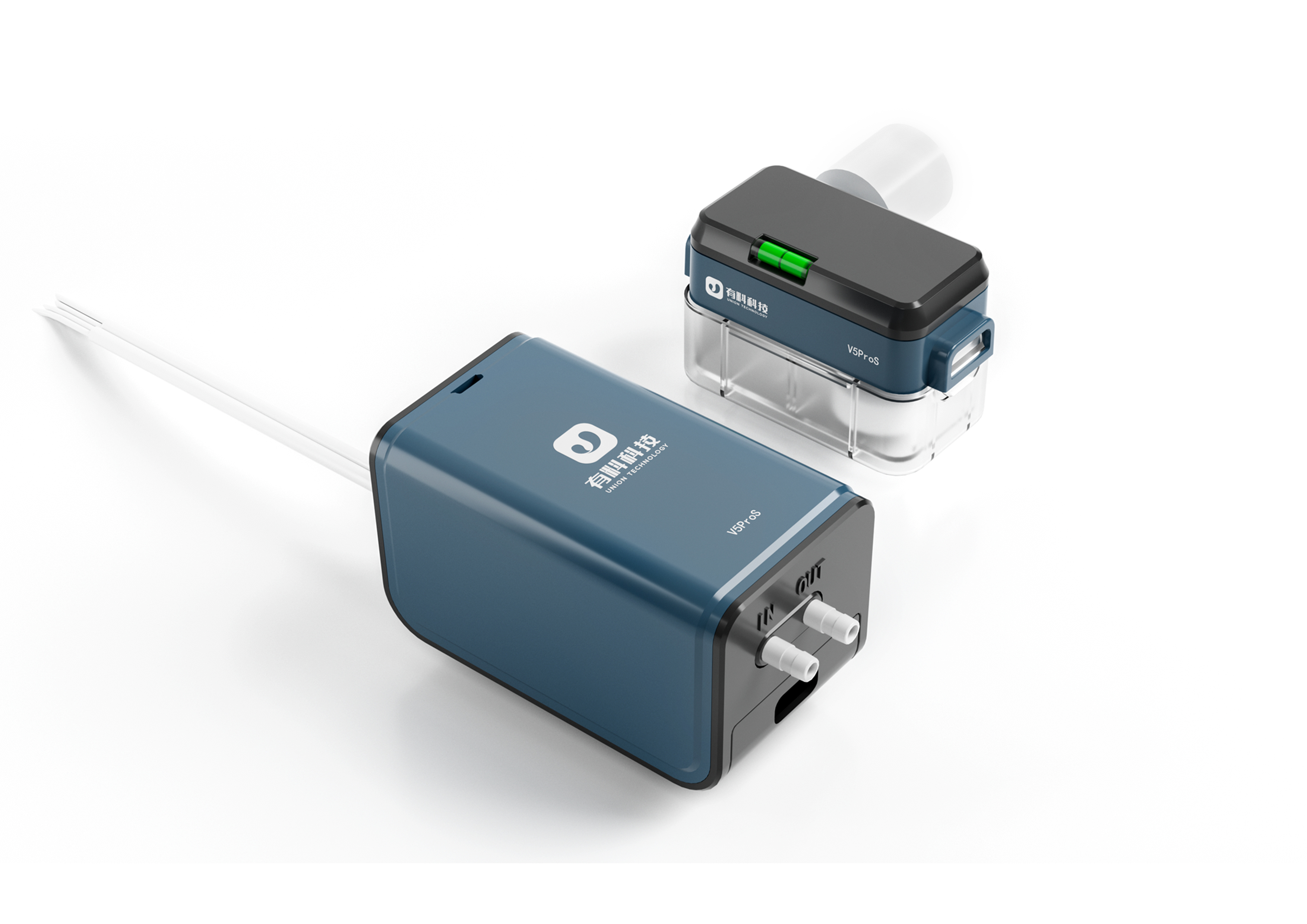
All restricted indoor units are equipped with a unified condensate pump to enhance drainage performance, eliminating the need for slope-dependent piping. Drain pipes share existing wall penetration openings with Copper Pipe, removing the need for separate holes and mitigating structural risks associated with drilling through beams. The entire unit is concealed within the ceiling, preserving the mall's aesthetic appeal.
Application Impact
Eliminate slope restrictions to raise ceiling heights, ensuring ample floor-to-ceiling clearance in mall common areas and retail spaces while achieving the intended design aesthetics.
Drain and copper pipes share the same opening, eliminating beam drilling to avoid structural damage, reduce the number of openings, and shorten construction time.
Forced drainage ensures stability and reliability, eliminating condensation accumulation and leak risks. This prevents business disruptions due to water damage and reduces long-term maintenance burdens.